
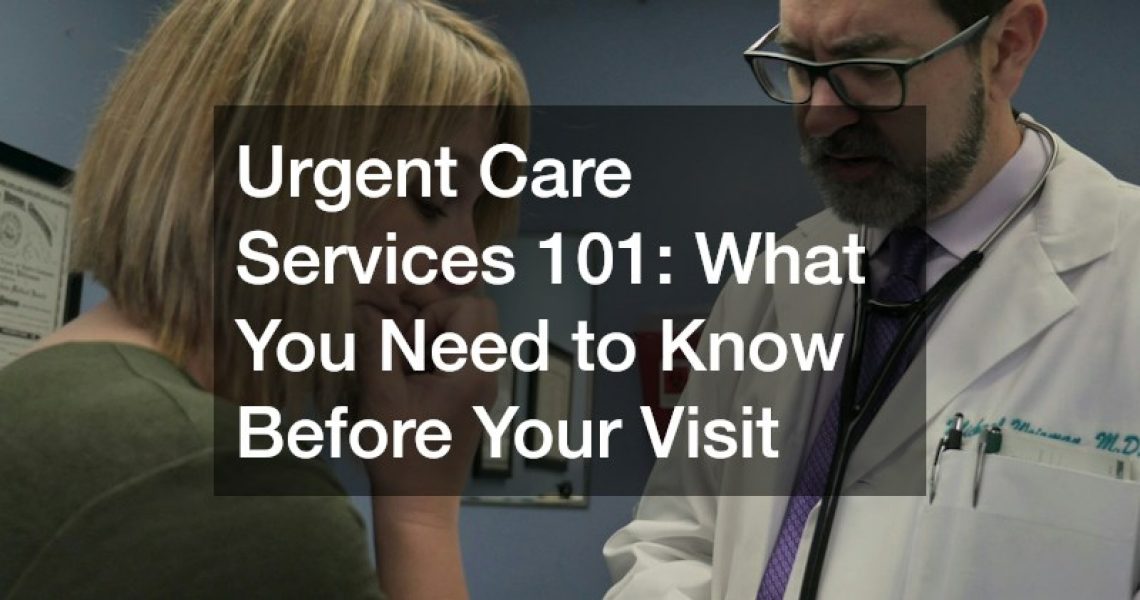

When unexpected health concerns arise, urgent care services provide a convenient and accessible option for immediate medical attention. Understanding the purpose and functions of these facilities can significantly enhance your experience and ensure you receive appropriate care. This article explores crucial aspects you should be aware of before your next urgent care visit, helping you make informed decisions during those critical times.
What to Know About Urgent Care Services
Urgent care services are designed to fill the gap between primary care physicians and hospital emergency rooms. They offer a practical solution for patients requiring prompt medical attention, without the extended wait times typical in emergency departments. These facilities are often staffed by experienced healthcare professionals, including physicians, nurse practitioners, and physician assistants, ensuring you receive quality care for non-life-threatening conditions.
One significant benefit of urgent care centers is their convenience. Most locations are open during evenings and weekends, accommodating those with busy schedules or sudden medical needs outside regular office hours. Additionally, many urgent care facilities offer online check-ins and digital registration, minimizing waiting times and enhancing patient experiences. This accessibility reduces the burden on emergency rooms, allowing hospitals to focus on more severe cases.
Furthermore, urgent care services are generally more cost-effective than emergency room visits. While hospital bills can quickly escalate, urgent care centers typically have transparent pricing and accept various insurance plans. Patients receive quality medical attention without the financial strain often associated with emergency room treatment. Thus, understanding when to opt for urgent care can save you time and money in the long run.
What Conditions Urgent Care Centers Treat
Urgent care facilities are equipped to treat a wide spectrum of non-life-threatening ailments, making them a versatile option for many patients. Common conditions include minor fractures, sprains, cuts, and burns, which require immediate yet non-emergency attention. Beyond physical injuries, these centers handle various infections such as earaches, sore throats, and respiratory illnesses, offering timely interventions to alleviate symptoms.
Additionally, urgent care services provide diagnostic capabilities, including X-rays and lab tests, to support accurate treatment plans. This feature enables healthcare professionals to diagnose conditions effectively, ensuring you receive appropriate care tailored to your specific needs. Moreover, vaccinations and routine physical exams are commonly available, contributing to the overall health and well-being of the community.
It’s essential, however, to recognize the limitations of urgent care centers. For severe injuries, chest pain, difficulty breathing, or suspected strokes, opting for emergency room services is crucial. In such situations, receiving care from a fully-equipped hospital can be lifesaving. Therefore, understanding the scope of urgent care services allows patients to make informed decisions should a health issue arise.
How to Prepare for Your Urgent Care Visit
Preparing for an urgent care visit involves several key steps to ensure a smooth and efficient experience. First, consider calling ahead or checking the facility’s website for the latest information on wait times and operating hours. Some clinics offer online booking services, allowing you to secure a spot and minimize unnecessary waiting at the office. Having an appointment or scheduled online check-in protects your time and expedites the care process.
Another crucial aspect is gathering necessary documentation and health information. Bring a valid ID, proof of insurance, and any medical records pertinent to your current condition to your appointment. Having these documents readily available allows healthcare staff to evaluate your situation comprehensively and make informed recommendations for treatment. It’s also helpful to prepare a list of current medications and any relevant family medical history for the visit.
Lastly, be prepared to articulate your symptoms and their duration clearly. Clear communication with medical professionals is key to effective diagnosis and treatment. Describing your symptoms accurately can influence the outcome of your visit, ensuring appropriate care is administered. These preparatory measures enhance your visit to urgent care and greatly contribute to a positive healthcare experience.
What to Expect During and After Your Visit
Once you arrive at the urgent care center, you can expect a streamlined check-in process, especially if you have utilized online scheduling services. After registering, a qualified healthcare professional will assess your condition and guide you through the necessary diagnostic tests or evaluations. This comprehensive approach ensures accurate diagnosis and treatment, tailored specifically to your medical needs.
During your consultation, medical staff will discuss your symptoms, medical history, and any other relevant information garnered during the evaluation. The goal of urgent care services is to provide quick relief and effective solutions for your medical issue. In many cases, you will receive treatment on-site; however, if the situation requires further examination, you may be referred to a specialist or advised to visit a hospital for additional care.
Following your visit, aftercare instructions will be provided to facilitate recovery and prevent further health complications. It’s vital to adhere to these guidelines, whether they include prescribed medications, follow-up appointments, or specific lifestyle adjustments. Urgent care services emphasize patient education, helping individuals understand how to manage their health effectively moving forward.
Understanding the nuances of urgent care services empowers individuals to make informed decisions regarding their healthcare needs. From recognizing when urgent care is appropriate to efficiently preparing for visits, patients can optimize their experiences at these convenient medical facilities. Ultimately, being informed ensures that you, as a patient, can take control of your health and seek prompt treatment when unexpected health issues arise.