

Finding the right home care service is essential for providing the support and comfort needed for you or a loved one. Home care services can vary widely, and understanding what each service offers is critical. Services may include personal care, such as help with bathing or dressing, as well as medical care, like medication management or physical therapy. When considering home care services, it’s important to evaluate the specific needs of the person requiring care.
Matching the requirements with the right kind of service ensures better outcomes and satisfaction.
Home care services are generally divided into two categories: non-medical care and medical care. Non-medical care focuses on assisting with daily living activities, including housekeeping, meal preparation, and companionship. Medical care, meanwhile, involves skilled health services provided by licensed professionals, such as nurses or therapists. It is crucial to determine which category aligns best with your individual needs. This understanding helps streamline your search process considerably when looking for an appropriate home care service.
Often, decisions about home care services can be overwhelming due to the plethora of choices available. Doing thorough research helps in distinguishing between various services and evaluating their offerings. Reading reviews and testimonials from other families can provide valuable insights into the quality and reliability of these services. Consulting with healthcare providers can also guide you to make an informed decision. Ultimately, understanding the landscape of home care services enables you to make a choice that best fits your situation.
Identifying Your Care Needs
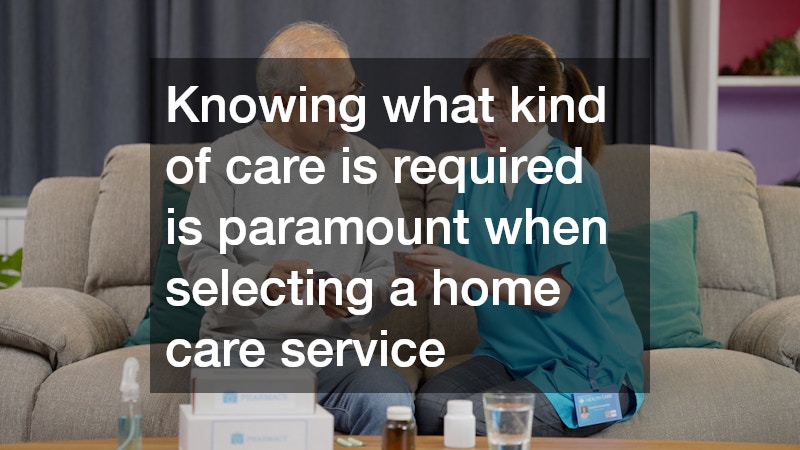
Knowing what kind of care is required is paramount when selecting a home care service. Start by conducting a comprehensive assessment of your or your loved one’s needs. Consider physical, emotional, and social aspects to identify the level and type of care needed. This process can include evaluating mobility, assistance with daily activities, medical management, and any special care requirements. Documenting these needs will serve as a guide when discussing options with potential service providers.
In many cases, needs assessment can involve consultations with healthcare professionals to understand the specific care requirements. This might include physicians, who can provide a medical perspective, or social workers, who can offer insights into emotional and social support structures. Consider also seeking input from family members, as they may observe needs you might overlook. Creating a holistic picture of care requirements ensures that chosen services will adequately support the individual’s lifestyle and wellbeing.
Once needs are identified, prioritize these based on their importance and urgency. Some needs, such as medication management, might require immediate and professional attention, while others, such as companionship, though vital, might be approached differently. Knowing which aspects of care are negotiable or which must be non-negotiable will assist in communicating effectively with service providers. This clarity helps in crafting a care plan that is both practical and effective, tailoring the services to fit the real needs of the individual.
Evaluating Home Care Service Providers
Evaluating home care service providers is a critical step in ensuring quality care. Start by researching the providers in your area and compiling a list of potential candidates. Look for providers with strong reputations, which can often be gleaned through online reviews or community recommendations. Ensure the providers are licensed and accredited, which acts as a testament to their professionalism and adherence to set standards. Accreditation also indicates that a provider is committed to offering safe and high-quality care.
Arrange interviews with shortlisted providers to ask detailed questions about their services and capabilities. Inquire about the qualifications of care personnel, training programs, and the availability of staff round-the-clock. Assess their responsiveness to inquiries and their willingness to customize services according to your needs. Additionally, request references from previous or current clients to gain a clearer picture of their experiences. This face-to-face interaction is crucial for establishing trust and gaining confidence in your chosen provider.
Apart from interviews, conducting background checks on providers can further assure you of their credibility and reliability. Verify if there are any complaints lodged against them through local regulatory agencies. Consider also any specialties they might have; for instance, some agencies may excel in caring for patients with specific medical conditions, such as Alzheimer’s or Parkinson’s. Satisfying all these criteria ensures you’ve evaluated each provider comprehensively, paving the way for making an informed decision aligned with your care requirements.
Cost Considerations and Payment Options
Cost is a significant factor when choosing a home care service, and understanding the financial aspects is essential. Home care services can be costly, but various payment options can make these services more accessible. It is beneficial to have a clear conversation with providers regarding their pricing structures. Some services charge by the hour, while others might offer packages or tiered pricing based on the level of care required. Ensure you understand these details to avoid surprise expenses later on.
Explore various ways to finance home care, such as insurance plans, financial assistance programs, or government aid. Some individuals may qualify for Medicare or Medicaid, which cover certain home care services under specific conditions. Long-term care insurance is another option, designed to cover extended in-home care for chronic conditions. Speak with your insurance agent or financial advisor to explore the best coverage available for your needs. These resources can greatly offset the expenses associated with home care services.
Lastly, always double-check the fine print of contracts before signing on with a provider. Many agencies draft agreements full of terms and conditions that might not be immediately clear. It’s crucial to understand what is included in the service, any additional costs, and the obligations you have as a client. Avoid binding long-term agreements if you are not fully certain about the provider’s services. Establishing a clear financial plan surrounding home care is vital to maintaining sustainability and ensuring the continuity of care.