

As our loved ones age, their healthcare needs often intensify, making in-home health care services a vital resource. While some family members may attempt to provide care themselves, the complexities of medical needs can require professional assistance. It’s important to recognize when the needs of your loved ones surpass what you can manage on your own to ensure their safety and health.
In home health care services can encompass a wide range of support, from medical care to companionship and domestic help. This type of care is particularly beneficial for individuals who prefer to remain in their familiar environment while receiving necessary healthcare.
By choosing the right in-home health care services, you can ensure that your loved one has the support they need without the stress and upheaval of relocating to a facility.
Understanding the specific needs of your loved one is crucial in selecting the most appropriate services. Whether it’s medication management, rehabilitation support, or help with daily activities, knowing precisely what assistance is required will guide your decision. Health care providers can offer assessments to help define these needs, ensuring the selection of services that will best support the well-being of your loved one.
Researching Potential Providers
Once you’ve identified the specific needs of your loved one, researching potential in-home health care providers becomes the next step. Start by gathering recommendations from medical professionals, friends, or family members who have utilized similar services. Online resources and reviews can also provide insights into the reputation and reliability of various providers.
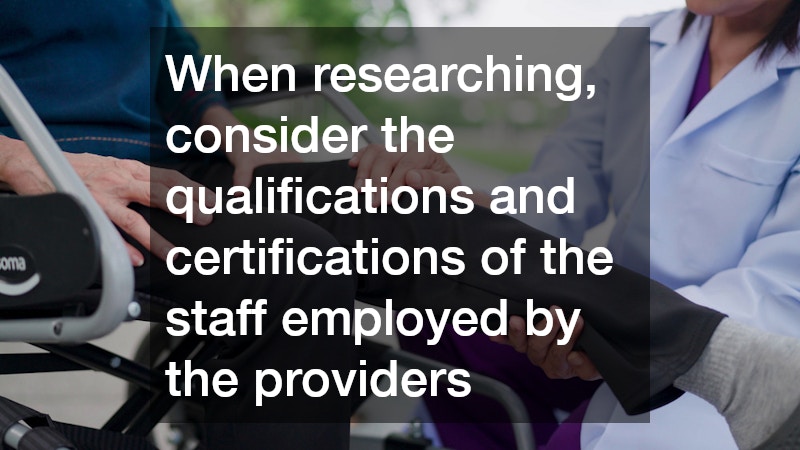
When researching, consider the qualifications and certifications of the staff employed by the providers. A reputable in-home health care service will employ healthcare professionals who are trained, certified, and experienced in handling the particular needs of their clients. This ensures not only quality care but also the peace of mind that comes with knowing your loved one is in capable hands.
It’s also important to assess the range of services offered by each provider, as well as their availability. A comprehensive provider should be able to offer all the necessary services, from medical care to assistance with daily living activities. Additionally, inquire about their emergency protocols to ensure that urgent needs can be met swiftly and efficiently.
Evaluating Quality of Care
Quality of care is paramount when selecting in-home health care services for your loved one. One way to evaluate this is by reviewing state and national ratings or certifications that the service provider has received. This information can typically be found on government health websites or through consumer advocacy groups.
Personal experiences and testimonials from current or past clients can also provide valuable insights. These firsthand accounts offer a glimpse into the actual service quality and client satisfaction that statistics or certifications might not fully convey. Don’t hesitate to reach out to these references directly to ask about their experiences, focusing on how well the provider met their expectations and the overall care provided.
Visiting the provider’s office or arranging for an in-home consultation can also provide an opportunity to meet staff members and gauge their approach to care. Pay attention to how they interact with your loved one and whether they genuinely listen and respond to concerns. Observations during these initial interactions can be indicative of the quality of service you can expect.
Understanding Costs and Insurance Coverage
Understanding the financial aspect of in-home health care services is a crucial part of the decision-making process. The cost of services can vary widely depending on the type and intensity of care provided. Reviewing these costs with potential providers can help prevent unexpected expenses and ensure the services align with your budget.
Insurance coverage can significantly impact the affordability of in-home health care services. Consult with your loved one’s insurance provider to understand what is covered under their plan and what will require out-of-pocket payment. Medicare, Medicaid, and private insurance policies often have specific stipulations regarding in-home care, so it’s crucial to get clear information upfront.
Some agencies may assist in navigating the complexities of insurance claims, which can be an invaluable resource. Ensure that any potential provider can help coordinate benefits and provide necessary documentation for claims. Knowledgeable support in this area can facilitate smoother transactions and minimized financial stress for everyone involved.
Making the Final Decision
After thoroughly researching and evaluating all aspects of in-home health care services, it’s time to make a final decision. Consider all information collected to ensure that the chosen provider meets both the healthcare needs and the personal preferences of your loved one. Balancing quality care with emotional comfort is key to a successful decision.
Engage your loved one in the decision-making process to honor their preferences and ensure their satisfaction and comfort with the chosen care provider. Their input is vital in tailoring the care plan to meet their personal needs, making the transition to in-home care a smoother process. Open communication is essential for creating a comfortable and positive care experience.
Lastly, remain flexible and open to reassessment if the initial arrangement isn’t working as expected. The needs of your loved one might evolve over time, necessitating adjustments in the level or type of care provided. Regularly evaluating the effectiveness of the care and staying proactive in addressing any concerns will help ensure continued quality and satisfaction.