

In home care involves various health and personal services offered in one’s residence. With an aging population, understanding Medicare’s coverage is crucial, as it plays a key role in healthcare for seniors. Whether it’s for recovery, chronic illness, or age related issues, in home care is a preferable option for many. In home care provides flexibility, comfort, and personalized attention, often allowing seniors to maintain their independence while receiving the support they need.
What is In Home Care?
In Home Care Overview
In home care involves personal assistance, household tasks, and medical services provided at home. Options range from companion to hospice care, addressing varied personal and medical needs comfortably at home.
In Home Care Benefits
It supports independence in a familiar setting, enhancing well-being and aiding recovery. Personalized and often more cost-effective than facility care, it improves life quality for users.
Ideal Candidates for In Home Care
Seniors, chronically ill, post-surgery patients, and those with disabilities benefit from reduced medical visits, receiving tailored support for health and daily life needs.
Medicare and In Home Care
Medicare Coverage
Medicare’s four parts affect coverage: Part A and Part B offer limited home health services, while Part C may cover more. Familiarity with these parts aids in navigating Medicare services.
Eligibility for Coverage
Eligibility requires a doctor’s certification for skilled services by a Medicare approved agency and the patient being homebound. These conditions must be met for Medicare home care services.
Services Covered Under Medicare
Medicare covers part time skilled nursing care, therapies, and possibly daily activities or medical supplies if medically necessary. This coverage alleviates some financial burdens for those requiring ongoing healthcare assistance.
What Role Does Medicaid Play in In Home Care?
Understanding Medicaid
Medicaid helps with medical costs for low income individuals and provides broader in home care services than Medicare. State specific programs influence coverage. These varying programs allow Medicaid to address diverse in home care needs effectively.
Medicaid’s Coverage of In Home Care
Medicaid covers personal care, private duty nursing, and home modifications. Some states offer waiver programs for care at home.
Differences Between Medicaid and Medicare
Medicare serves primarily seniors, while Medicaid assists low income individuals with more extensive in home care. Understanding differences optimizes benefits. Differentiating these programs allows for strategic planning regarding healthcare coverage.
Eligibility for Medicaid
Eligibility involves income and household size, based on poverty guidelines. Asset limits and state criteria also apply. Comprehending these aspects can facilitate eligibility and access to necessary assistance.
Enrolling in Medicaid
Application processes vary by state; applications can be filed online, by mail, or in person. Necessary information includes income and family details. Preparing this information in advance ensures a smoother application process.
How to Supplement Medicare for Better Coverage
Medicare Advantage Plans
Part C combines A and B benefits with additional perks like vision and dental care, although provider networks may limit service choices. Choosing these plans provides comprehensive care, ensuring more holistic health benefits.
Private Insurance and Its Role
Private insurance can supplement Medicare or Medicaid, though plans vary in coverage and may require separate premiums. Weighing the benefits carefully can lead to enhanced financial and healthcare stability.
Financial Assistance Programs
Programs focus on low income individuals, offering grants or subsidies for in home care. Awareness and enrollment maximize coverage access. Knowing about these aids can drastically reduce the burdens of healthcare expenses.
Challenges and Solutions in In Home Care with Medicare
Common Challenges Faced
Strict eligibility and limited long term coverage pose challenges, necessitating advocacy for better access. Proactive measures can aid in navigating these complex healthcare situations.
Solutions and Adaptations
Enhancing knowledge and seeking professional guidance improve eligibility and application processes. Policy monitoring and adaptation are essential. By staying informed, one can better align healthcare approaches with changing policies.
Policy Changes and Their Impact
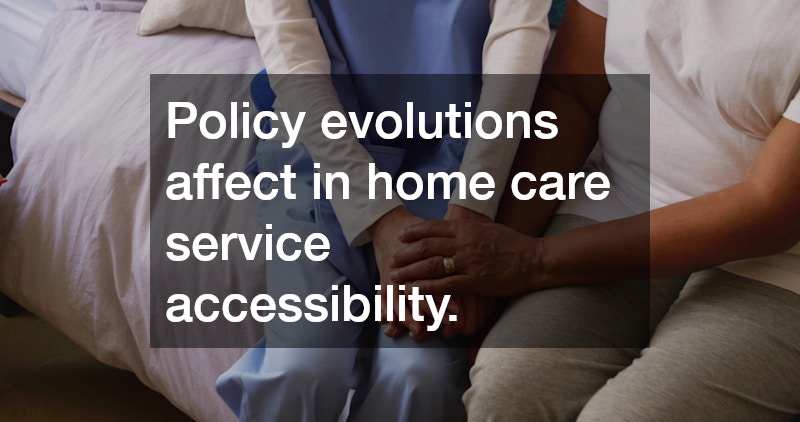
Policy evolutions affect in home care service accessibility; staying informed optimizes benefits. Keeping abreast of updates ensures the maximizing of healthcare benefits.
In home care’s growing importance highlights Medicare’s crucial role. It serves diverse populations effectively through federal, state, and supplemental options, ensuring essential home care services. By tailoring coverage to individual needs, Medicare not only enhances the quality of life for seniors but also alleviates the financial burden on families, making in home care a sustainable and accessible option for millions.