
Commercial gym equipment is the backbone of any successful fitness center. Whether you are opening a new gym, upgrading your facility, or building a corporate wellness space, choosing the right commercial gym equipment can impact your members’ experience and your long-term profits. Unlike home machines, commercial-grade equipment is built for heavy daily use, durability, and safety.
Understanding your options will help you create a gym space that attracts members and keeps them coming back.
What Is Commercial Gym Equipment?
Commercial gym equipment refers to fitness machines and tools designed specifically for high-traffic environments like gyms, fitness studios, schools, hotels, and rehabilitation centers.
How It Differs From Home Equipment
Commercial machines are:
- Built with stronger frames and materials
- Designed for extended daily use
- Equipped with advanced safety features
- Often backed by longer warranties
Home equipment may be less expensive, but it is not made to handle constant use by multiple users throughout the day.
Types of Commercial Gym Equipment
When setting up a fitness facility, it is important to include a balanced mix of machines and tools.
Cardio Equipment
Cardio machines are usually the most used pieces in any gym. Popular options include:
- Treadmills
- Ellipticals
- Stationary bikes
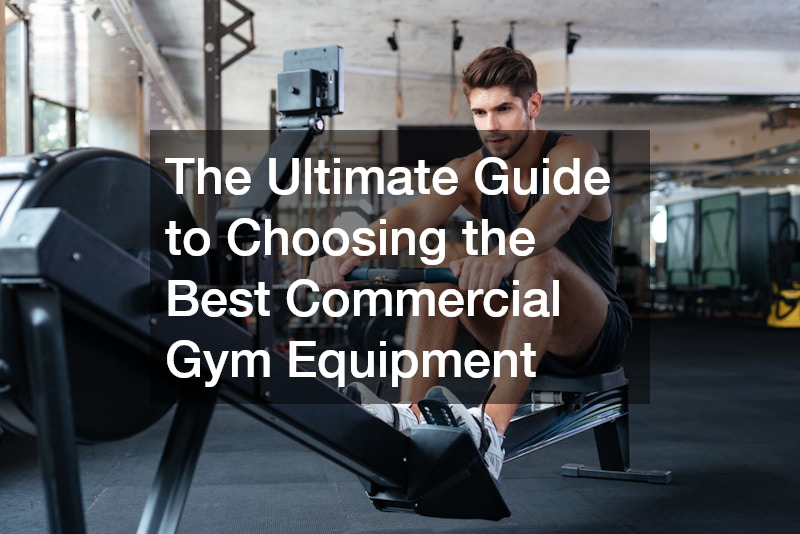
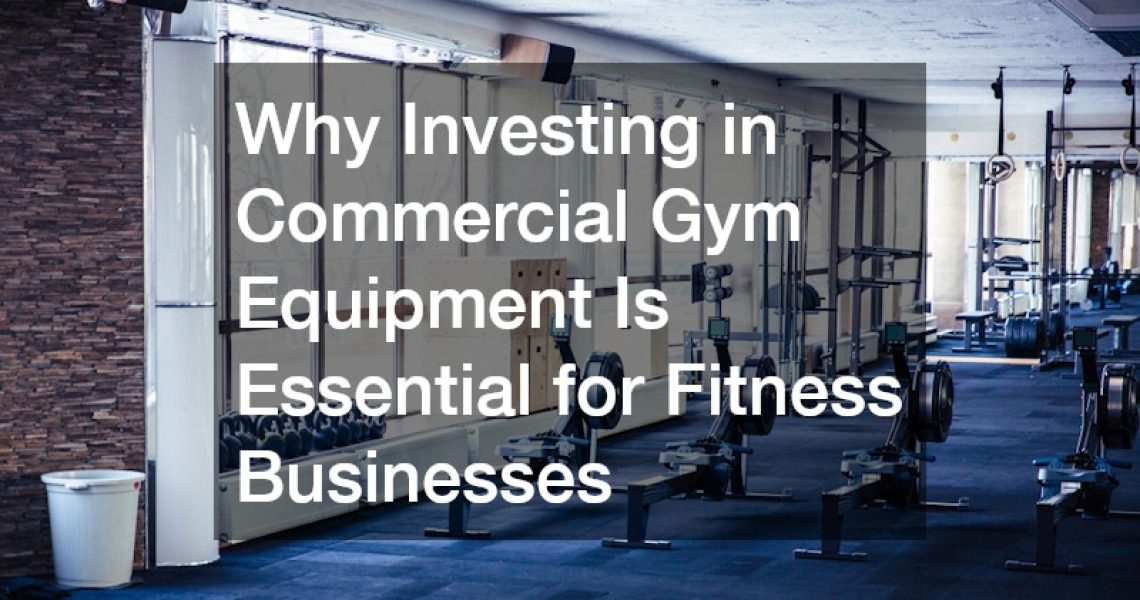
- Rowing machines
- Stair climbers
High-quality cardio machines offer smooth performance, digital tracking, and heart rate monitoring features.
Strength Training Equipment
Strength training is essential for building muscle and improving overall fitness. This category includes:
- Selectorized weight machines
- Plate-loaded machines
- Smith machines
- Cable crossover machines
These machines allow users to target specific muscle groups safely and effectively.
Free Weights
Free weights are a staple in most fitness centers. This includes:
- Dumbbells
- Barbells
- Weight plates
- Kettlebells
They offer flexibility and allow users to perform a wide range of exercises.
Functional Training Equipment
Functional training focuses on movements used in daily life. Equipment may include:
- Resistance bands
- Medicine balls
- Suspension trainers
- Plyometric boxes
- Battle ropes
This type of training has become increasingly popular in modern gyms.
Benefits of Investing in Quality Equipment
Choosing durable commercial gym equipment provides many long-term advantages.
Durability and Longevity
Commercial-grade machines are designed to last for years. Their sturdy construction reduces the need for frequent repairs and replacements.
Improved Member Satisfaction
Members expect reliable and modern equipment. Smooth, quiet machines enhance the workout experience and encourage repeat visits.
Increased Safety
Professional-grade equipment is built with advanced safety features. Proper padding, secure weight stacks, and stable frames help reduce the risk of injury.
Higher Business Reputation
A well-equipped gym builds trust and credibility. New members are more likely to join when they see high-quality commercial gym equipment.
Factors to Consider Before Buying
Purchasing equipment is a major investment. Planning carefully will help you avoid costly mistakes.
Space Planning
Measure your available space before ordering machines. Leave enough room between equipment to allow safe movement and easy access.
Target Audience
Think about your members. Are they beginners, athletes, seniors, or a mix? Your equipment selection should match their needs and fitness goals.
Budget
While it may be tempting to choose cheaper options, investing in reliable commercial gym equipment often saves money over time. Look for equipment that balances quality and affordability.
Warranty and Maintenance
Check warranty terms carefully. Regular maintenance is also important to keep machines running smoothly and safely.
Leasing vs. Buying
Some gym owners choose to lease equipment instead of purchasing it outright.
Benefits of Leasing
- Lower upfront costs
- Easier upgrades
- Flexible payment options
Benefits of Buying
- Full ownership
- Long-term savings
- No ongoing lease payments
Your decision will depend on your budget and long-term business plan.
Maintaining Commercial Gym Equipment
Proper care extends the life of your machines.
Daily Cleaning
Wipe down machines regularly to maintain hygiene and prevent wear.
Routine Inspections
Inspect cables, bolts, and moving parts to catch issues early.
Professional Servicing
Schedule periodic servicing by trained technicians to ensure optimal performance.
Consistent maintenance protects your investment and ensures member safety.
Final Thoughts
Choosing the right commercial gym equipment is one of the most important decisions you will make as a fitness business owner. Durable, high-quality machines not only improve member satisfaction but also protect your long-term investment. By carefully planning your space, understanding your audience, and prioritizing quality, you can build a gym that stands out in a competitive market. With the right commercial gym equipment in place, your facility will be well-positioned for growth, success, and long-term member loyalty.